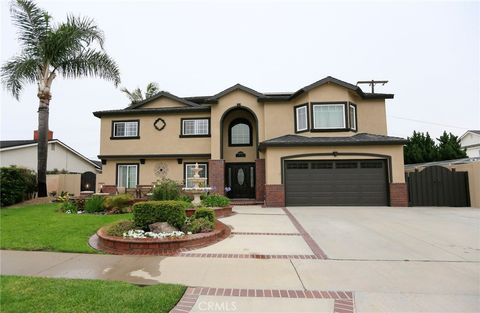
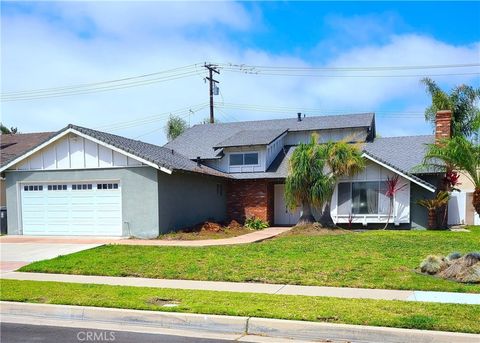
If your home’s curb appeal makes a great first impression, everyone — including potential homebuyers — will want to see what’s inside. Check out these simple, low-cost improvements that you can do in a day, a week, or a month.
1.Create perfect symmetry. Symmetry is not only pleasing to the eye, it’s also the simplest to arrange. Symmetrical compositions of light fixtures and front-door accents create welcoming entryways.
2.Replace old hardware House numbers, the entry door lockset, a wall-mounted mailbox, and an overhead light fixture are all elements that can add style and interest to your home’s exterior. If they’re out of date or dingy, your home may not be conveying the aesthetic you think it is. These elements add the most appeal when they function collectively, rather than as mix-and-match pieces. Oiled-bronze finishes suit traditional homes, while brushed nickel suits more contemporary ones.
3.Do a mailbox makeover Mailboxes should complement the home and express the homeowner’s personality. When choosing a hanging drop box, pick a box that mirrors your home’s trimmings. Dress up posted boxes by staining or painting the wooden post to match the house’s trim and woodwork. Create structures for your box from materials found throughout the hardscaping. Warning: Consult a professional when designing and building structures.
4. Install outdoor lighting Low-voltage landscape lighting makes a huge impact on your home’s curb appeal while also providing safety and security. Fixtures can add accent lighting to trees or the house or can illuminate a walking path. If you aren’t able to use lights that require wiring, install solar fixtures.
5. Create a new planting bed Add contrast and color to your home exterior with a new planting bed. Prime spots are at the front corners of the yard, along driveways or walk-ways, and immediately in front of the house.
If you are considering selling your home, the Stovall Team wants to help you. Our outstanding marketing techniques and attention to details is second to none. Our staging program has proven to achieve a higher net and a faster marketing time for every one of our sellers. Call The Stovall Team today at 714.343.9294 or 714.378.3438 for information.










A Clean Kitchen Secret…
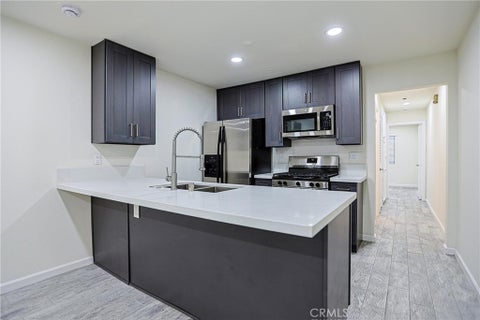
Grease and dirt build up on kitchen cabinets and backsplashes over time and use. To clean your cabinets, first heat a damp sponge in the microwave for 20-30 seconds until it’s hot. Put on a pair of rubber gloves, spray the cabinets with a vinegar/water solution containing orange oil ($4), then wipe
off the cleaner with the hot sponge. Wipe in the direction of the wood grain. Rinse and reheat the sponge as it becomes saturated.
Then wipe the cabinets with a cool, damp cloth. The orange oil leaves a shiny coating. This works for any wood or metal surface. The orange oil looks and smells great during the warm summer months.
The Stovall Team always offers complimentary pre market staging tips and complimentary staging with each listing. Our Staging program has proven to achieve a higher net and a faster marketing time for every one of our sellers. Call The Stovall
Team today at 714.343.9294 or 714.378.3438 for your free evaluation.