To help curb the spread of COVID-19, Orange County public schools are on an extended hiatus, but that doesn’t mean students don’t have access to healthy meals.
In fact, most local districts are offering grab-and-go meals at no cost to any student 18 years and younger, regardless of where they go to school.
Here’s a look at the school districts offering meals in our area.
***
Cypress School District
CAMPUSES CLOSED: Until it is deemed safe for students to return
GRAB-AND-GO SERVICE: Breakfast and lunch offered to all children 18 years and under. No sign-up required. May pick-up from any school.
DISTRIBUTION DAYS:
March 23 – 27 Monday, Wednesday and Thursday
Starting March 30 Monday, Wednesday and Friday
TIMES: 11:30 a.m. to 12:30 p.m.
LOCATIONS: All six elementary school sites
Fountain Valley School District
CAMPUSES CLOSED: Through April 17
GRAB-AND-GO SERVICE: Lunch offered to all children under the age of 18 at three school sites starting March 18. Meals will be handed to cars, and children must be present.
TIMES: 11:30 a.m. to 1 p.m.
LOCATIONS:
- Cox Elementary, 17615 Los Jardines East, Fountain Valley
- Tamura Elementary, 17340 Santa Suzanne St., Fountain Valley
- Oka Elementary, 9800 Yorktown Ave., Huntington Beach
Garden Grove Unified School District
CAMPUSES CLOSED: Through April 10
GRAB-AND-GO SERVICE: Breakfast and lunch are offered to all children age 18 and under, as well as individuals with developmental disabilities who are age 21 and younger and enrolled in an institution or regional center program. All children and adults must be present to receive meals.
TIMES: 11 a.m. to 1 p.m.
LOCATIONS:
- Alamitos Intermediate
- Bell Intermediate
- Fitz Intermediate
- Irvine Intermediate
- Ralston Intermediate
- Peters Elementary
- Bolsa Grande High
- Garden Grove High
- La Quinta High
- Los Amigos High
- Pacifica High
- Rancho Alamitos High
- Santiago High
Huntington Beach City School District
CAMPUSES CLOSED: Through April 17
GRAB-AND-GO SERVICE: Meals offered to all children 1-18 years.
TIMES: 11 a.m. to noon
LOCATIONS: Peterson Elementary School
Huntington Beach Union High School District
CAMPUSES CLOSED: Through April 17
GRAB-AND-GO SERVICE: Meals offered to students. No paperwork or ID required. Students must be present.
DISTRIBUTION DAYS: Monday through Friday
TIMES: Noon to 1 p.m.
LOCATIONS:
- Ocean View High, 17071 Gothard St., Huntington Beach
- Westminster High, 14325 Goldenwest St., Westminster










VISIT OUR OPEN HOUSES on FACEBOOK LIVE!
Do not panic, stay informed, and use your best judgement.
The ongoing COVID-19 outbreak has impacted us in ways both small (don’t touch your face!) and large (cancellations of public events, public school closures, and so on). And for those residents who are interested in selling, or buying a home, the new reality—in which social distancing and reducing your exposure to as many people as possible is the norm—has made typical real estate searches a bit of a challenge.
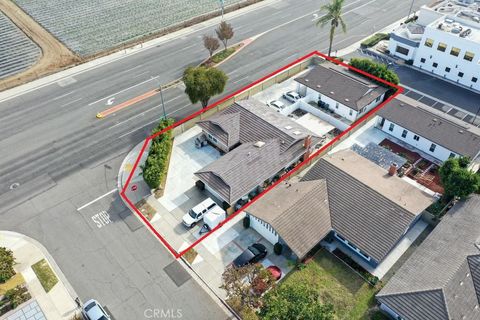
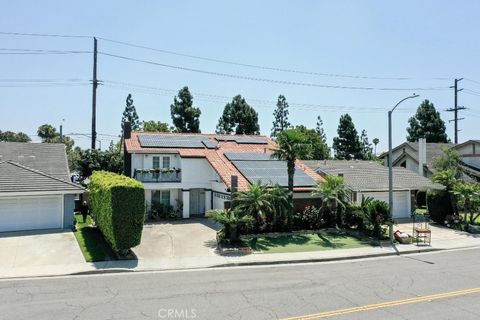
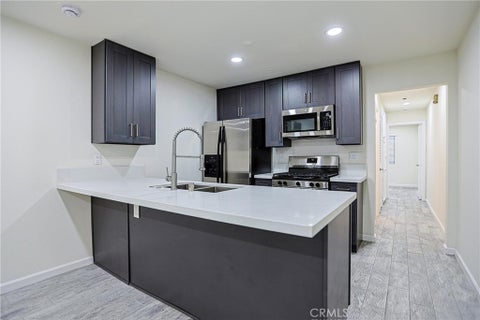
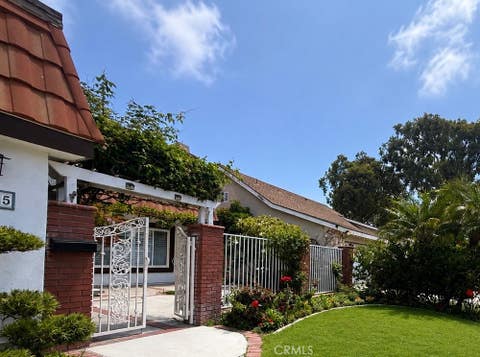
In response, Stovall Team is offering many ways to view the homes we currently have listed. We invite you to view the properties in person or remotely. Visit https://www.facebook.com/micahstovall
Those able to enter the housing market have the benefits of low rates- and the wisdom of those who bought during the last crisis. Everyone needs someplace to live, and here is another thing that probably will not change: in our area the housing stick or sale is more attractive to many than what is for rent. Much of the current inventory has come from people who are moving up or on and will themselves need to buy a property. Everyone has to make those decisions for themselves, but don’t let the sound of opportunity knocking lull you into undue risk.