Put two tbs of vanilla extract in an oven safe dish or coffee cup, then place it in the oven at 300 degrees for one hour.
Put two tbs of vanilla extract in an oven safe dish or coffee cup, then place it in the oven at 300 degrees for one hour.
We remember Ronald Reagan at Mile Square Park in 1984 Presidential Campaign.
Do you?
Share your fondest memories of Fountain Valley, Westminster, Garden Grove, Huntington Beach or Orange County with us @ www.stovallteam.com & www.facebook.com/ FountainValleyRealEstate
With Fall in full-swing you may be considering parking in your garage again.
Step 1: Sweep Or Vacuum To Remove Dust & Loose Debris. Every couple of months you should sweep or vacuum your garage floor. That is really the only maintenance it needs on a regular basis.
Step 2: Wash Entire Floor With A Heavy Duty Cleaner & Degreaser. The problem with garage floors is that they don’t just get normal dirt and mud on them, but because we park our cars over them they also get all types of automotive stains. These stains range from oil and grease, anti-freeze, brake fluid, and transmission fluid to name a few. Many garage floors (but not all) are made of concrete, and since it is a porous surface it absorbs grease and oil easily, and stains.
CAUTION: Be careful not to buy a product that both cleans and etches concrete for cleaning garage floors unless you plan to apply a protective coating to your floors when you’re done.
Step 3: Rinse Floor Finally, with whatever method you choose for cleaning the floor you’ll need to rinse your floor to remove the cleaning residue after you’ve cleaned it. That’s why it’s a good idea to clean your floor after you’ve decluttered and removed things from off the ground, so you don’t accidentally get anything wet while rinsing.
Source: stainremoval101.com
The Fall season brings change. The television is either tuned to sports or new TV sitcoms, or both. We are seeing a Mad Men mania in interior design. The 60’s show is driving a return to mid-century modern with clean lines and bold patterns, in pillows, throws and wallpaper.
A way to get in on the trend without going overboard is mix a few sleek mid-century pieces — like color-blocked pillows or a vintage glass lamp — with your existing furniture.
The Stovall Team always offers complimentary pre market staging tips and complimentary staging with each listing. Our Staging program has proven to achieve a higher net and a faster marketing time for every one of our sellers. Call The Stovall Team today at 714.343.9294 or 714.378.3438 for your free evaluation.
The following DO’s and DON’Ts may help avoid delays with your loan approval.
DO’S:
1. DO continue making your mortgage or rent payments on time
2. DO stay current on all existing accounts
3. DO keep working at your current employer
4. DO keep your same insurance company (if this is a refinance)
5. DO continue living at your current residence
6. DO continue to use your credit as normal
7. DO call your lender if you have any questions
DON’TS:
1. DON’T make a major purchase (car, boat, jewelry, etc.)
2. DON’T apply for new credit (even if you are pre-approved)
3. DON’T open a new credit card
4. DON’T transfer any balances from one account to another
5. DON’T pay off charge offs without a discussion with us first
6. DON’T pay off collections without a discussion with us first
7. DON’T close any credit card accounts
8. DON’T change bank accounts
9. DON’T max out or over charge on your credit card accounts
10. DON’T consolidate your debt onto 1 or 2 credit cards
11. DON’T take out a new loan
12. DON’T start any home improvement projects (refinances)
13. DON’T pay off any loans or credit cards with discussing with your lender
14. Don’t change jobs…even if you are doing the same type of work without checking with your lender
If you encounter a special situation, it is best to mention it to your lender right away so they can help you determine the best way to achieve your goals.






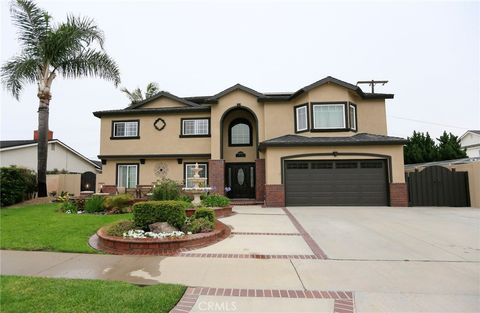


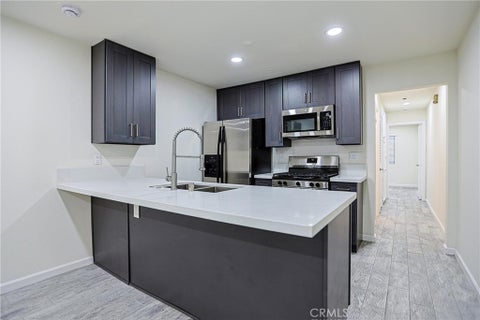




Happy New Year! Time to House Hunt
This New Year’s, you may want to make a resolution to go house hunting. Home prices are finally starting to recover, but they’re still low enough to get a great deal. Add to that interest rates that are at historic lows, and 2013 may be the time for first-time home buyers to finally get in the game. “We think the answer, definitively, is that home prices have bottomed,” says Stan Humphries, chief economist of real-estate firm Zillow. “Right now, buying looks very attractive, even for short-term time horizons.”
While the timing may be right, the tougher standards lenders imposed after the housing crash are still very much in place. So buyers with good credit and a hefty down payment may benefit the most. “Now it’s all about the rules,” says Jeff Conn, a mortgage banker in the Atlanta area.
Window of Opportunity A bevy of data suggest housing prices have finally begun to climb back. So there’s a window of opportunity before prices start a faster upward march. The median price of an existing single-family home was $178,700 in October, up 11% from a year earlier, according to the National Association of Realtors. But that’s still down 13% from $204,800 in October 2007….
Prices are on the way up, but mortgage rates remain in the bargain bin. The average rate on a standard 30-year fixed-rate mortgage hit a record low 3.46% for the week ended Nov. 16, according to data provider HSH.com. The average rate on a standard 15-year, fixed-rate mortgage hit a low of 2.84%. And rates are expected to stay low next year and further out, thanks, in part, to the Federal Reserve’s moves to keep interest rates low until mid-2015.
For first-time home buyers, it may be easier to buy. Many first-time buyers are opting for loans backed by the Federal Housing Administration, since they now have looser credit and down-payment criteria compared with the tougher criteria for standard loans. The typical rate on a 30-year fixed-rate mortgage backed by the FHA was 3.31% last week, according to HSH.com.
Many potential buyers have sat out of the market and rented instead—because they were waiting for prices to bottom out, found it to be a cheaper option or couldn’t qualify for a mortgage. But the jump in renters after the housing collapse led to higher rents throughout much of the country. In many cases, it no longer makes financial sense to rent instead of buy. In about three out of four U.S. housing markets, it now takes less than three years of owning a home with a standard 30-year mortgage for buying to be cheaper than renting a similar space, says Zillow’s Mr. Humphries.
Source: Wall Street Journal, Sunday, November 25, 2012, Business Section