Younger Americans place more importance and hold more favorable views toward home ownership than older generations, according to a new survey from Prudential Real Estate of about 5,000 potential buyers and sellers. About 77 percent of those aged 25 to 34 and 78 percent of those aged 35 to 44 rate home ownership as “very important.” The Millennials and Generation X age group represent the ages between 25 and 44.
“Millennials and Generation X — about 85 million people strong — face a unique opportunity in U.S. housing,” says Earl Lee, president of Prudential Real Estate. “They are generally optimistic about home ownership and, by nature, share a strong sense of community. As important, many were not impacted by the real estate downturn and are looking at today’s buying opportunities with keen interest.” Seventy-four percent of all survey respondents say that interest rates at historically low levels make it a great time to purchase a home. The primary drivers for owning a home, according to the survey, were for more control over space, safety, and as an investment.
Still, consumers are cautious about the Real Estate process. Sixty-two percent of respondents say that obtaining financing is more challenging, and 72 percent say that having a trusted partner as a reliable source of information is important to them.
“It’s been a tough road but the mo-mentum we are seeing across the economy and real estate market appears sustainable,” says Stephen Phillips, chief operating officer for HSF Affiliates LLC.
Sources: Realtor.org Daily Real Estate News | Tuesday, February 12, 2013




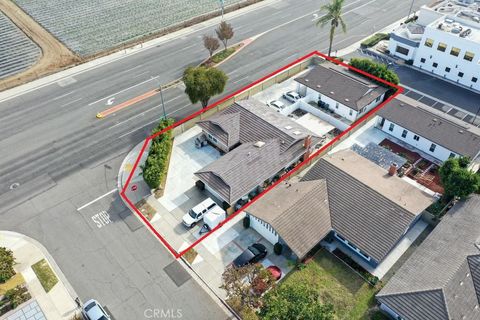
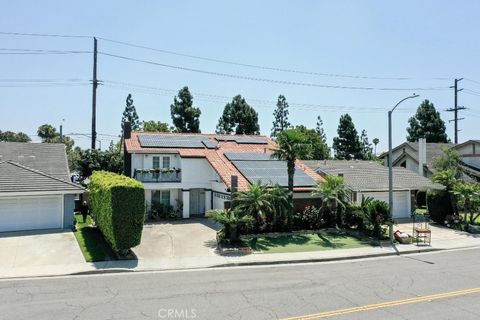
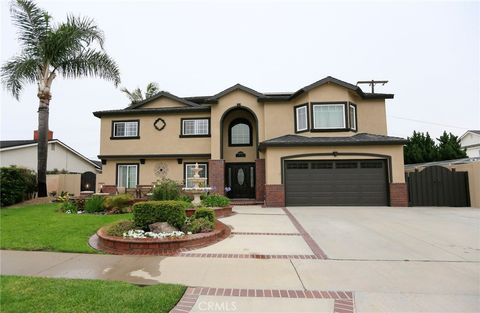




Leased Solar Panels May Create Dilemma for Sellers
Leased Solar Panels May Create Dilemma for Sellers by Stovall Team, Fountain Valley, CA Real Estate
Most solar power companies sell and/or lease solar panels with promises of large reductions on power bills and added value to your home. If you plan to lease a system, consider the terms of the lease seriously before getting involved. If you plan on selling your home prior to the lease payoff there may be serious consequences that will affect your net proceeds. If you do decide to sell your home before the lease term is up, the seller must either convince the buyer to take over the outstanding lease, or purchase the system for potentially tens of thousands of dollars, depending on how many years are left on the lease. You could also be responsible to pay the remaining fees if the buyer isn’t interested in the system. These costs will come directly off the top of your net profit. The solar company will actually be protected via an encumbrance against your title and these costs will be paid directly out of escrow at close. Therefore, if you plan to sell in the short term, you might want to rethink a Solar Lease and the potential negative impact on your equity.
Now that home sales are picking up again in the aftermath of the housing crisis, some homeowners who signed long-term solar leases have run into a dilemma. Under the terms of most agreements — which typically span 20 years — selling your home won’t get you out of the obligation of the lease. There are Government Tax incentives and Power Company rebates but they only cover a portion of the obligation. Also, incentives help you out in a particular tax year but the obligation still exists.
When a home is sold, the seller has to buy out the solar panel contract, transfer the lease to the buyer, or relocate the panels to another home. Sometimes these transfer obligations are much more easily said than done. The Solar industry touts that it’s cost effective and easy for the seller to transfer the solar power lease; this can only happen if the buyer is willing to accept the terms and obligation. If for any reason a potential home buyer doesn’t want to accept this obligation they might just walk away from a purchase. These costs can vary from $150-$500 dollars per month and can range for many years in the future for the new buyer. This can make significant difference. Although most buyers are attracted to solar features, they aren’t planning to pay extra to receive them.
The solar industry also boasts that solar panels make residences more appealing to potential buyers and boost a house’s value. The U.S. Department of Energy’s Lawrence Berkeley National Laboratory released a study in 2011 that found homes with solar systems sell for a premium over homes without solar systems. We don’t argue the value of solar power but feel there may be many potential sellers that are not clear of the possible ramifications. Furthermore, it’s also a good option to purchase the system outright therefore eliminating any potential chance for lost equity. A purchased solar system can only add to the upside potential of your home sale. By Steve Stovall