If you’re planning to move soon, you might be wondering if there’ll be more homes to choose from, where prices and mortgage rates are headed, and how to navigate today’s market. If so, here’s what the professionals are saying about what’s in store for this season.
Odeta Kushi, Deputy Chief Economist, First American:
“. . . it seems our general expectation for the spring is that we will see a pickup in inventory. In fact, that already seems to be happening. But it won’t necessarily be enough to satiate demand.”
“Where we are right now is the best of both worlds. Price increases are slowing, which is good for buyers, and prices are still relatively high, which is good for sellers.”
“There are slightly more homes for sale than this time last year, and there is still plenty of competition for well-priced houses. Buyers should prep their credit scores and sellers should prep their properties now, attractive listings are going pending in less than a month, and time on market will shrink in the weeks ahead.”
“While mortgage rates remain elevated, home shoppers who are looking to buy this spring could find more affordable homes on the market than they saw at the same time last year. Specifically, there were 20.6% more homes available for sale ranging between $200,000 and $350,000 in February 2024 than a year ago, surpassing growth in other price ranges.”
If you’re looking to sell, this spring might be your sweet spot because there just aren’t many homes on the market. Sure, inventory is rising, but it’s nowhere near enough to meet today’s buyer demand. That’s why they’re still selling so quickly.
If you’re looking to buy, the growing number of homes for sale this spring means you’ll have more choices than this time last year. But be prepared to move quickly since there’ll be plenty of competition with other buyers.
Bottom Line
No matter what you’re planning, team up with Stovall Team to confidently navigate the busy spring housing market.
What type of impact can schools have on property values?
When buying a home, one of the most common questions is, ‘How do good or bad schools affect home values, and what type of impact do they have?’
Schools are so important to buyers in our area. Fortunately, our area has some of the best schools in the state, which is why so many decide to buy homes in the area.
Countless factors influence the decision to buy a home. The neighborhood, size of the home, outdoor space, upgrades, and location play a significant role in impacting one’s decision-making. Among those important factors, school districts have played an increasingly significant role in influencing buyers’ decision-making around purchasing a home.
Although those most interested in strong school districts tend to be families with young children or those planning on having children in the future, purchasing a home in a solid school district is beneficial for those who do not plan on having children as well.
Economists have estimated that a five percent improvement in test scores in suburban neighborhoods can raise home prices by 2.5 percent, according to The New York Times. Of course, test scores are only one way of designating an area as a “good school district,” other factors should also be considered, but test scores are a highly quotable measure.
Many buyers considering buying a home in an affluent school district may be willing to spend more on a home to avoid the monumental cost of a private school, which can be as high as $40,000 or more per year in some areas. Although purchasing a home in a strong school district may mean paying a higher price for that home, it is still sometimes cheaper than investing in the costly expense of a private school.
Every child has unique needs when it comes to securing a fulfilling education. Some may thrive in a competitive environment, whereas others may feel intimidated by their peers. In addition to weighing test scores, classroom size, and student performance, it is also important to consider the school’s environment to ensure it has a strong support system that advocates for student wellness.
If you do not have children and do not plan on starting a family in the future, it is still beneficial to consider homes in strong school districts, as your home’s value will most likely continue to rise after purchasing it as a result of the school district.
The many benefits of working with Stovall Team include consulting on districts, administrations, after-school programs, and other education-related questions. Stovall Team will also be able to advise whether or not you are overpaying for a home in a strong school district and if you have an appropriate list price in mind when considering selling your home.
Call Stovall Team 714.343.9294 today if you are ready to find the home of your dreams in a great school district.
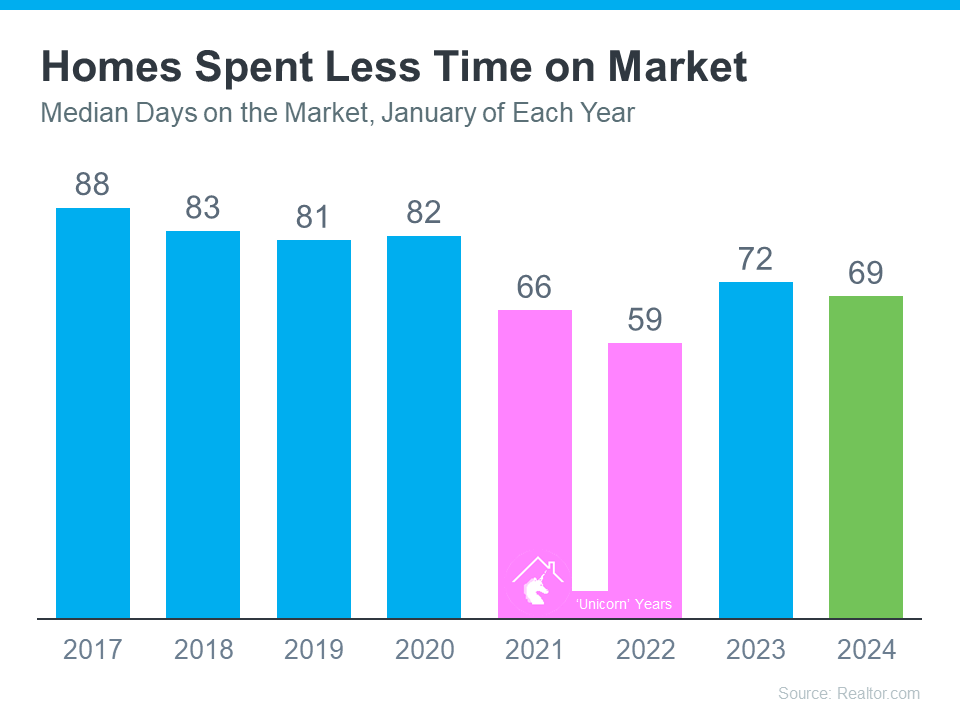
Have your needs changed and you feel ready to make your move? Have you been thinking about selling your house? If so, here’s some good news. While the housing market isn’t as frenzied as it was during the ‘unicorn’ years when houses were selling quicker than ever, they’re still selling faster than normal.
The graph below uses data from Realtor.com to tell the story of median days on the market for every January from 2017 all the way through the latest numbers available. For Realtor.com, days on the market means from the time a house is listed for sale until its closing date or the date it’s taken off the market. This metric can help give you an idea of just how quickly homes are selling compared to more normal years:
When you look at the most recent data (shown in green), it’s clear homes are selling faster than they usually would (shown in blue). In fact, the only years when houses sold even faster than they are right now were the abnormal ‘unicorn’ years (shown in pink). According to Realtor.com:
“Homes spent 69 days on the market, which is three days shorter than last year and more than two weeks shorter than before the COVID-19 pandemic.”
What Does This Mean for You?
Homes are selling faster than the norm for this time of year – and your house may sell quickly too. That’s because more people are looking to buy now that mortgage rates have come down, but there still aren’t enough homes to go around. Mike Simonsen, Founder of Altos Research, says:
“. . . 2024 is starting stronger than last year. And demand is increasing each week.”
Bottom Line
If you’re wondering if it’s a good time to sell your home, the most recent data suggests it is. The housing market data is stronger than it usually is at this time of year. To get the latest updates on what’s happening in your local market, connect with Micah Stovall at Stovall Team today 714.343.9294.
If one of the goals on your list is selling your house and making a move this year, you’re likely juggling a mix of excitement about what’s ahead and feeling a little sentimental about your current home.
A great way to balance those emotions and make sure you’re confident in your decision is to keep these three best practices in mind when you’re ready to sell.
1. Price Your Home Right
The housing market shifted in 2023 as mortgage rates rose and home price appreciation started to normalize once again. As a seller, you still need to recognize how important it is to price your house appropriately based on where the market is today. Hannah Jones, Economic Research Analyst for Realtor.com, explains:
“Sellers need to become familiar with their local market and work closely with a local agent to make sure their listing is attractive to buyers. Buyers feeling the pressure of affordability are likely to be pickier, so a well-priced, well-maintained home is the ticket to drumming up big demand.”
If you price your house too high, you run the risk of deterring buyers. And if you go too low, you’re leaving money on the table. An experienced real estate agent can help determine what your ideal asking price should be, so your house moves quickly and for top dollar.
2. Keep Your Emotions in Check
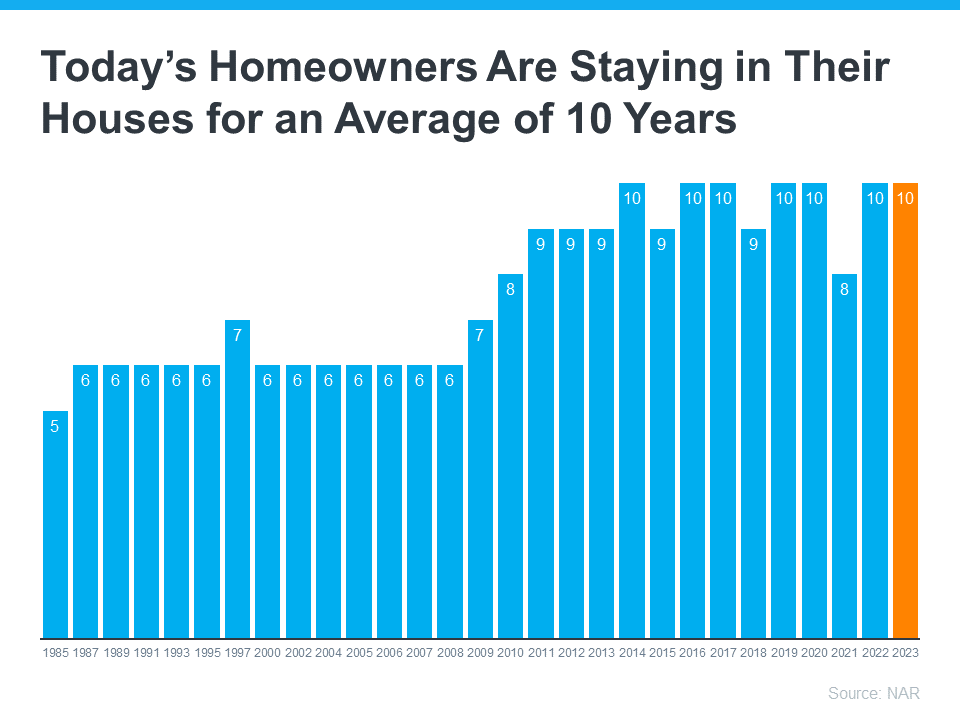
Today, homeowners are staying in their houses longer than they used to. According to the National Association of Realtors (NAR), since 1985, the average time a homeowner has owned their home has increased from 6 to 10 years (see graph below):
This is much more than what used to be the norm. The side effect, however, is when you stay in one place for so long, you may get even more emotionally attached to your space. If it’s the first home you bought or the house where your loved ones grew up, it very likely means something extra special to you. Every room has memories, and it’s hard to detach from the sentimental value.
For some homeowners, that makes it even tougher to separate the emotional value of the house from fair market price. That’s why you need a real estate professional to help you with the negotiations and the best pricing strategy along the way. Trust the professionals who have your best interests in mind.
3. Stage Your Home Properly
While you may love your decor and how you’ve customized your house over the years, not all buyers will feel the same way about your vibe. That’s why it’s so important to make sure you focus on your home’s first impression, so it appeals to as many buyers as possible.
Buyers want to be able to picture themselves in the home. They need to see themselves inside with their furniture and keepsakes – not your pictures and decorations. As Jessica Lautz, Deputy Chief Economist and Vice President of Research at NAR, says:
“Buyers want to easily envision themselves within a new home and home staging is a way to showcase the property in its best light.”
A real estate professional can help you with expertise on getting your house ready to sell.
Bottom Line
If you’re considering selling your house, reach out to Stovall Team today to help you navigate the process while prioritizing these must-do’s.
Home buyers have their fingers crossed that 2024 will be the year where home prices regain some normalcy. One promising sign entering the new year: mortgage rates, which remained stubbornly high throughout 2023, have steadily declined over the last couple of months.
Following eight consecutive weeks of declines, the average 30-year fixed rate rose for the second straight week by a modest four basis points to 6.66%—more than one percentage point lower than the 7.79% peak of 2023—for the week ending January 11, according to Freddie Mac. A basis point is one-hundredth of one percentage point.
Yet, despite this easing, mortgage rates remain elevated and home prices are stubbornly high as historically low housing stock continues to put homeownership out of reach for many—most notably first-time buyers—who remain more pessimistic than ever about being able to afford a home.
Housing Market Forecast for 2024
2023 was a demoralizing year for many aspiring home buyers.
Mortgage rates surged—hitting a high of 7.79% in October—and median home prices in the third quarter were north of $400,000. Moreover, in July, average monthly payments hit their highest level ever at $2,306, according to Intercontinental Exchange, a financial technology and data services provider.
However, 2024 may be a better year to purchase a home—at least for some. While home prices will likely remain elevated—and even increase in some markets—industry experts expect prices in certain areas of the country to soften.
Economists are also optimistic that the Federal Reserve is done with its rate-hiking campaign to lower inflation after policymakers kept the federal funds rate unchanged for a third straight meeting on December 13. The federal funds rate is the benchmark interest rate financial institutions charge each other for overnight loans; it tends to indirectly influence mortgage rates.
Even so, affordability challenges will continue in 2024. Pent-up demand and low inventory will generally bolster prices, and elevated mortgage rates will remain until the Fed implements cuts to the federal funds rate.
Mark Fleming, chief economist at First American Financial Corporation, predicts a “flat stretch” ahead for the housing market. “If the 2020-2021 housing market was too hot, then the 2023 market was probably too cold, but 2024 won’t yet be just right,” Fleming said in his 2024 forecast.
When Will the Housing Market Recover?
For a housing recovery to occur, several conditions must unfold.
“For the best possible outcome, we’d first need to see inventories of homes for sale turn considerably higher,” says Keith Gumbinger, vice president of mortgage website HSH.com. “This additional inventory, in turn, would ease the upward pressure on home prices, leveling them off or perhaps helping them to settle back somewhat from peak or near-peak levels.”
And, of course, interest rates would need to cool off.
But Gumbinger says don’t hope they cool too quickly. Rapidly falling rates could create a surge of demand that wipes away any inventory gains, causing home prices to rebound.
“Better that rate reductions happen at a metered pace, incrementally improving buyer opportunities over a stretch of time, rather than all at once,” Gumbinger says.
He adds that mortgage rates returning to a more “normal” upper 4% to lower 5% range would also help the housing market, over time, return to 2014-2019 levels. Yet, Gumbinger predicts it could be a while before we return to those rates.
Will Mortgage Originations Remain Low Through 2024?
Eye-popping mortgage rates in the last few years have led to plummeting mortgage applications. The good news is that rates have begun receding in recent weeks.
While application activity remains tepid, the Mortgage Bankers Association (MBA) sees this as the bottom, predicting total mortgage origination volume will increase from an anticipated $1.64 trillion in 2023 to $1.95 trillion next year amid rates drifting down to near 6% by the end of 2024.
Fannie Mae also expects mortgage activity will trend up, with single-family mortgage originations undergoing a slow but meaningful recovery in 2024, according to a recent report.
Housing Inventory Forecast for 2024
With many homeowners “locked in” at low interest rates or unwilling to sell due to high home prices, demand continues to outpace housing supply—and likely will for a while.
“I don’t expect to see a meaningful increase in the supply of existing homes for sale until mortgage rates are back down in the low 5% range, so probably not in 2024,” says Rick Sharga, founder and CEO of CJ Patrick Company, a market intelligence and business advisory firm.
Housing stock remains near historic lows—especially entry-level supply—which has propped up demand and sustained ultra-high home prices.
Nevertheless, there are some hopeful signs.
For one, home-builder outlook, which had been on a downslide, is trending back up amid declining mortgage rates and better building conditions.
The most recent National Association of Home Builders (NAHB)/Wells Fargo Housing Market Index (HMI), which tracks builder sentiment, rose from 34 to 37 in December. A reading of 50 or above means more builders see good conditions ahead for new construction.
At the same time, new single-family building permits managed to tick up slightly in November—the 10th consecutive monthly increase—according to the latest data from the U.S. Census Bureau and U.S. Department of Housing and Urban Development.
Existing-Home Sales Rebound Slightly: Is a Home-Buying Upswing in Play for 2024?
Existing-home sales underwent a slight, surprising thaw in November, despite still-high mortgage rates, rising home prices and low housing inventory.
Following a 4.1% nosedive in October, existing-home sales inched up by 0.8% in November, ending five straight months of declines, according to the latest monthly data reported by the National Association of Realtors (NAR). Year-over-year transactions were down 7.3%, the smallest annual decline since April 2022, according to Realtor.com.
These contract closings likely occurred during the two months before November when the average 30-year fixed mortgage rate ascended to heights not seen in over two decades, suggesting impatient home buyers may be adjusting to higher rates.
Though sales activity remains weak, experts predict this uptick could signify a burgeoning turnaround in 2024.
“Falling rates will bring both more buyers and more sellers into the housing market,” said Dr. Lisa Sturtevant, chief economist at BrightMLS, in an emailed statement. BrightMLS forecasts existing home sales to reach 4.6 million in 2024—up from an expected 4.1 million in 2023—and inventory to increase by approximately 8% by the end of the year.
Meanwhile, chronically low resale inventory receded 1.7%, leaving existing home stock at a scant 3.5-month supply at the current sales pace. Many experts say a balanced housing market has four to six months of inventory.
Demoralized Home Buyers See Little Affordability Relief in 2024
If you want to buy a home today, expect to see prices 40% higher compared to February 2020, according to Zillow. In the third quarter of 2023 alone, NAR reports that home prices grew in more than 80% of U.S. metro areas year over year.
Combine elevated home prices with mortgage rates in the high-6% range amid persistent inflation, and it’s no wonder that the latest Fannie Mae Home Purchase Sentiment Index (HPSI) reported 86% of consumers say they need to put home-buying plans on hold, a new survey record.
“Over the past year, the HPSI has plateaued at a low level, evidence of persistent consumer pessimism regarding the state of the housing market,” said Doug Duncan, senior vice president and chief economist at Fannie Mae, in a press statement. “Even if mortgage rates decline over the next year, which we currently expect, it’s unlikely to meaningfully affect affordability.”
Other indices also indicate that home affordability, while likely to improve to some degree over the next year, may still be out of reach for many in 2024.
First-time buyers hoping to land a home at a lower price point are likely having the hardest time as affordability conditions continue to deteriorate, according to NAR.
The trade association’s First-Time Homebuyer Affordability Index preliminary third-quarter reading came in at 61.9, compared to 65.4 in the second quarter. A reading of 100 indicates that a family earning a median income earns exactly enough to qualify for a mortgage and afford a typical home.
Moreover, the median monthly housing payment hit an all-time high of $2,715 in 2023, up 12.6% from 2022, according to a Redfin report, which labeled 2023 the least affordable year on record for home buyers. Lenders generally advise monthly mortgage payments not to exceed 30% of pre-tax income.
Will the Housing Market Crash in 2024?
Despite some areas seeing price declines, the likelihood of a housing market crash—a rapid drop in unsustainably high home prices due to waning demand—remains low. Experts point out that today’s homeowners stand on much more secure footing than those coming out of the 2008 financial crisis, with many borrowers having positive home equity.
Moreover, Orphe Divounguy, senior macroeconomist at Zillow Home Loans, says competition for houses has remained surprisingly resilient despite mortgage rates reaching highs not seen in more than two decades.
“In 2024, I expect we’ll see home appreciation take a step back but not plummet,” Divounguy says, especially as inventory is still constrained. Most experts say supply will remain tight for the foreseeable future.
Divounguy also notes that several factors, including Millennials entering their prime home-buying years, wage growth and financial wealth are tailwinds that will sustain housing demand in 2024.
Even so, with fewer homes selling, Dan Hnatkovskyy, co-founder and CEO of NewHomesMate, a marketplace for new construction homes, sees a price collapse within the realm of possibility, especially in markets where real estate investors scooped up numerous properties.
“If something pushes that over the edge, the consequences could be severe,” said Hnatkovskyy, in an emailed statement.
Will Foreclosures Increase in 2024?
Despite foreclosure activity trending up nationally, experts generally don’t expect to see a wave of foreclosures in 2024.
“Foreclosure activity is still only at about 60% of pre-pandemic levels as we prepare to exit 2023, and isn’t likely to be back to 2019 numbers until sometime in mid-to-late 2024,” says Sharga.
The biggest reasons for this, Sharga explains, are the strength of the economy—currently we’re seeing low employment and steady wage growth—along with excellent loan quality and expanded financial relief offerings from mortgage servicers.
Massive growth over the past few years in homeowner equity has helped reduce foreclosures as well. Sharga says that some 80% of today’s homeowners have more than 20% equity in their property. So, while there may be more foreclosure starts in 2024, foreclosure auctions and lender repossessions should remain below 2019 levels.
Even so, foreclosures increased in 2023, raising concerns for some in the industry.
“Foreclosure filings continue to paint a concerning picture,” said Rob Barber, CEO of property data provider Attom, in a report. “As we look ahead to 2024, we anticipate a potential uptick in foreclosure activity as various economic factors evolve and market dynamics shift.”
In November, foreclosure filings were up 5% from last year, according to Attom. At the same time, foreclosure completions dropped 32% from a year ago, which Barber attributes to seasonal factors.
Should I Wait Until 2024 To Buy a Home?
Buying a house—in any market—is a highly personal decision. Because homes represent the largest single purchase most people will make in their lifetime, it’s crucial to be in a solid financial position before diving in.
Use a mortgage calculator to estimate your monthly housing costs based on your down. But if you’re trying to predict what might happen next year, experts say this is probably not the best home-buying strategy.
“The housing market—like so many other markets—is almost impossible to time,“ says Orphe Divounguy, senior macroeconomist at Zillow Home Loans. “The best time for prospective buyers is when they find a home that they like, that meets their family’s current and foreseeable needs and that they can afford.”
Gumbinger agrees that it’s hard to tell would-be homeowners to wait for better conditions.
“More often it seems the case that home prices generally keep rising, so the goalposts for amassing a down payment keep moving, and there’s no guarantee that tomorrow’s conditions will be all that much better in the aggregate than today’s.”
Divounguy says “getting on the housing ladder” is worthwhile to begin building equity and net worth.
Pro Tips for Buying in Today’s Housing Market
Frick offers this expert advice to aspiring buyers:
From ecosystem conservation to “new” darker neutrals in exterior paint, we look at the trends set to take hold in the industry this year.
Three Key Takeaways
Advise buyers that nobody should copy trends for their popularity since they change over time; a better approach is to seek joy.
Aging boomers have more options to choose among, from staying put with features that aid safety to going to a facility with specialized care.
Landscapes that conserve nature and shelter pollinators and wildlife are designed for private backyards and shared communities.
Staying abreast of what’s new and innovative in design and real estate is important, not to be trendy but to learn about innovative materials, systems and products to live more sustainably and benefit the planet. Also, new uses for rooms can maximize square footage and our surroundings to add joy to our lives. The following 10 trends are worth considering since they can positively influence whether homeowners reside in single- or multifamily housing.
Homeowners Are More Apt to Stay Put
With interest rates for a 30-year fixed mortgage still high, home prices holding steady and inventory still low, many homeowners plan to stay put, optimizing or expanding their existing square footage. Laurel Vernazza, Home Design Expert at The Plan Collection— Scarsdale, N.Y.-based company that sells pre-drawn plans—says that for those with no plans to move, the wish list includes:
Sustainable features
Accessory dwelling units as zoning laws change
Pickleball courts
Remodeled basements with saunas
Media centers and game rooms
Home offices as working from home continues
Outdoor space, not just at ground level but above as well
AI-driven technology to make homes easier to use and more energy-efficient
Why now? Homeowners want to be active but decrease maintenance and energy consumption. They favor sustainable materials sourced locally to pare carbon footprints and support local businesses, which is especially true for millennials and Generation Z. Many materials reflect better waterproofing, and garages may have room for battery back-up systems if power goes out, says architect Jonathan Boriack, AIA, LEED AP, principal with KTGY in Oakland, Calif.
Specialized Needs for an Aging Population
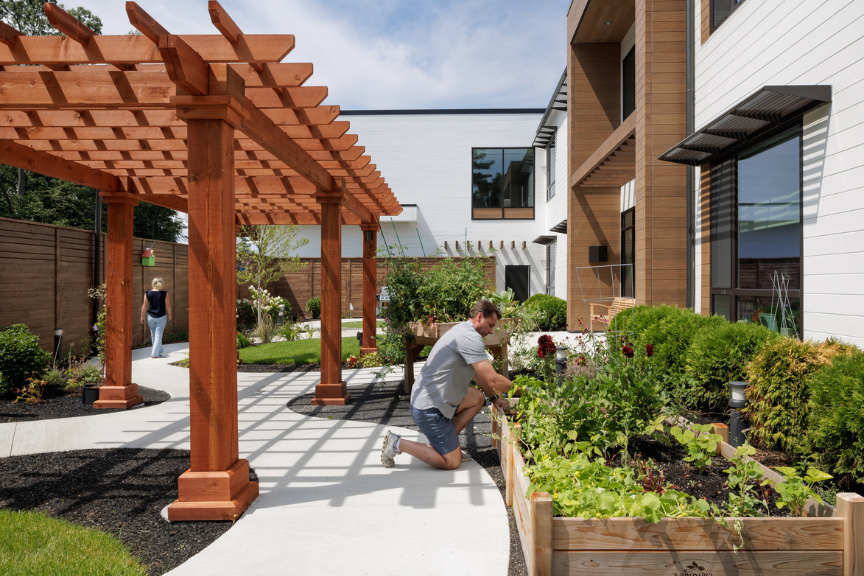
Architectural firms like The Architectural Team (TAT) outside Boston are designing facilities for specialized needs, such as The Cordwainer, which will have private and double rooms and a host of amenities including a two-story atrium, performance center, game room to stimulate the brain, and memory care garden. The bedrooms will be divided between two neighborhoods so residents can safely wander, says TAT architect Anthony Vivirito. Also critical is light to help with circadian rhythms and mood. “Biophilic elements and the focus on unique spaces for invigorating activities and entertainment required stepping away from traditional practices,” says Tamilyn Liesenfeld, president and CEO at Anthemion Senior Lifestyles, which owns and operates The Cordwainer in Norwell, Mass.
Why now? With aging boomers numbering 76.4 million, more attention is paid to their housing needs when they can’t stay at home, which includes many of the estimated 6.7 million who have Alzheimer’s disease.
Smaller Single-Family Homes and More Townhomes
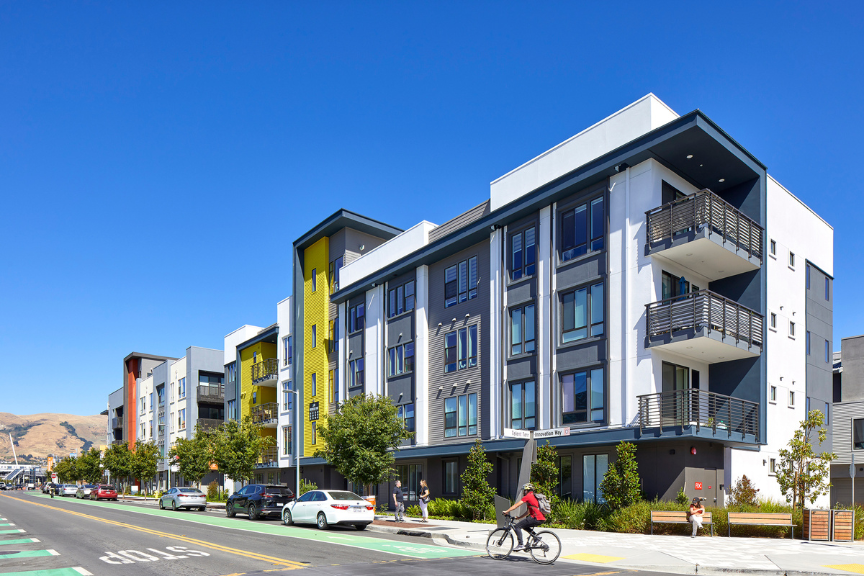
Variety is the spice of homebuilding. Currently, homes are shrinking in size(link is external), with the median for single-family houses at 2,261 square feet and the mean square footage of new single-family homes down to 2,469, according to the National Association of Home Builders. One of the most popular styles is the ranch house. The style also offers the flexibility to be opened up indoors and to the outdoors, according to Vernazza. Attached townhomes and stacked flats have gained popularity due to the need for smaller square footage in dense sites, says Boriack.
Why now? The main reasons(link is external) for smaller single-family homes are high mortgage rates and lifestyle changes that favor fewer bedrooms. As far as townhomes and stacked flats are concerened, the economics of for-sale property works with current market finances more for developers than rentals do. Land shortages make attached and stacked units smart choices.
Bigger Apartments
At the same time that single-family homes are shrinking, apartments are increasing from an average of 870 square feet before the pandemic to closer to 1,000 square feet, says architect Sean M. Stadler, FAIA, LEED AP, a managing principal with WDG Architecture’s Washington, D.C. office.
Why now? Many renters want more space to work from home and favor more bedrooms, if they can afford, Stadler says.
Homeowners Want Sustainable Energy Use
Sustainability isn’t going anywhere. In fact, it’s growing in popularity, and received a boost in January 2023, when the Department of Energy(link is external) announced federally backed incentives to help builders make DOE-certified Zero Energy Ready Homes their standard. An example of a builder focused on both energy efficiency and lower construction waste is Netze Homes, based outside Dallas, which uses steel that it recycles from cars. It claims its houses are 20 times stronger than those built from wood. Since the frame is built in a factory to exacting specifications, the homes are tighter and the resulting lower air exchange makes them more efficient.
Why now? Sustainable homes do a better job of withstanding extreme weather, are fire-resistant, and curb termite damage, wood rot and mold. Energy-efficient homes help residents save up to 35% on their electric bills and cut 40% of waste since the frame is formed in a factory. These homes have lowered carbon emissions by 50% against the industry average, proponents say.
Luxury Spec Building Demand is on the Rise
The demand for spec luxury houses and townhomes continues, particularly in South Florida, according to J.C. de Ona, president of the southeast division of Centennial Bank. Waterfront sites are particularly desirable. “Some demand may have softened so that there now may be 10 to 20 buyers rather than 100 at a house, but it’s still strong and prices remain up,” he says. Favored features include a modern design with flat roofs, wood detailing, a pool, an open plan and beautiful kitchens, he says.
Why now? After slowing from 2012 to 2014, spec building has picked up, due to an uptick in migration. Jose R. Boschetti Jr., managing partner of The Boschetti Group in South Miami, Fla., also sees demand from buyers wanting a minimalistic design and maintenance-free living with artificial turf, porcelain floors, smart features and pools in close proximity to the house to maximize indoor/outdoor connection.
An Abundance of Multifamily Amenities in Small Buildings
People are still looking for features in smaller buildings, says architect Joshua Zinder of Joshua Zinder Architecture + Design in Princeton, N.J. His four-story, six-unit, mixed-income building, Nelson Glass House, reflects the trend of “amenity creep” that has “percolated down to smaller buildings,” he says. Units have terraces, shared parking, bike storage, “Zoom rooms” for online meetings and a ground-level coffee shop. “Having just a good location doesn’t cut it anymore,” he says. Other popular amenities, he says, are a grocery store, pet trail, package center, and lounge and lobby for interaction—sometimes with classes—and electric vehicle charging stations.
Some buildings use amenities like EV stations to add revenue, according to Swtch Energy, an EV charging solutions provider that works with multi-tenant properties. Many buildings add programming through a property management company like FirstService Residential, says Katie Ward, the company’s regional president for Texas. The trend has evolved that property management doesn’t just plan space but creates a culture to tailor connections to needs through events, she says.
Why now? Amenities allow smaller buildings to compete with bigger ones, retain residents and attract newcomers, says Stadler. One challenge is having amenities that are appealing when a building opens, since the timeline for delivery may be five years.
A Continued Focus on the Kitchen
The kitchen remains the heart of the house with old trends in force along with new ones gaining traction, says designer Mick De Giulio of de Giulio Kitchen Design outside Chicago. Induction cooktops continue to increase in number, in part because new homebuilding regulations in certain municipalities require phasing out gas ranges for safety and sustainability, according to The Plan Collection.
De Giulio says an organized, walk-in pantry; more light through big windows or LEDs in warmer colors; artisan and hand-crafted features such as hand-scraped wenge wood; and a mix of materials like German silver, stainless with special finishes, and bronze are popular, as well as the island.
Why now? In most cases, the kitchen is one of the most used, most seen rooms in a home. People are still eager to congregate in the kitchen, and within the space, certain trends stand out. A kitchen redo makes sense since, if it’s done well, it can last 30 years, though appliances may need to be replaced along the way, De Giulio says.
Natural, Native Landscaping as a Priority
Whether in communities or private backyards, homeowners want to conserve ecosystems. In smaller communities, even in urban settings, variations of the conservation community or “agrihood,” like Pendergrast Farm in Atlanta, are emerging. The 20 energy-efficient, solar panel–ready homes, wired for EV charging stations, will have a Home Energy Rating System rating of 50 that will use 50 percent less energy than comparable new homes. Seventy percent of its land will be preserved for woods and a working farm.
In private backyards, “rewilding” uses native plants to create habitat. Hillary Peters with Mariani Landscape in Lake Bluff, Ill., says this trend is popular among clients who are interested in restoring ecosystems and biodiversity. By bringing native plants to a landscape, homeowners can create a space that meets needs and supports wildlife.
Why now? Such communities bring together features that reflect homeowner interest in conservation, and the scarcity of land makes this viable. Likewise, homeowners are aware of their impact on their environment and the need to protect wildlife. Any little bit helps, Peters says—installing a birdhouse or water feature or using native plants and grasses makes a difference.. She advises against cultivars, which do not always serve pollinators.
“New” Neutrals for the Exterior
Neutral colors are more popular, says residential and commercial color consultant Amy Wax in Montclair, N.J. “They are a safe choice, offer the opportunity to decorate a home with more emphasis on landscaping, give homeowners the chance to market their home without having to repaint and are not the subdued hues of the past,” she says. Many neutrals are even darker, such as midnight blue, charcoal gray and true black for drama.
Why now? Dark exterior accents express confidence with a bold street presence. Adding a periwinkle blue front door or taxicab yellow or hot pink accent is fair game. Durability should be weighed since darker colors may fade, so it’s best to apply paint with a subtle sheen to protect surfaces.




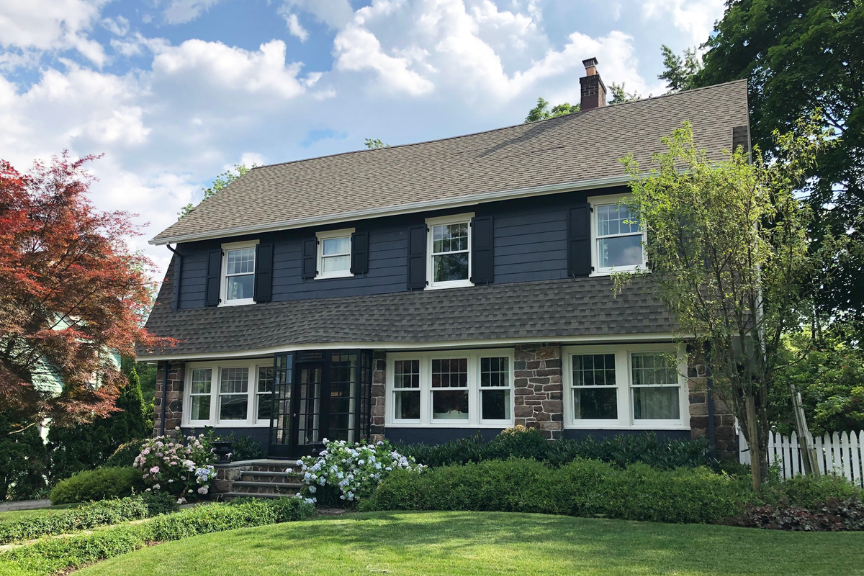








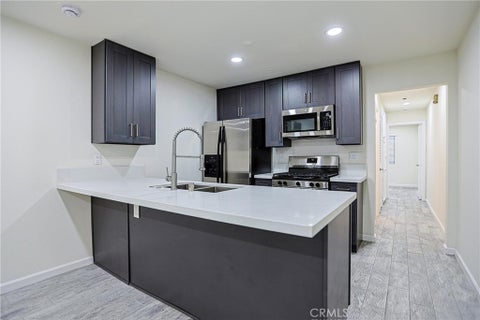
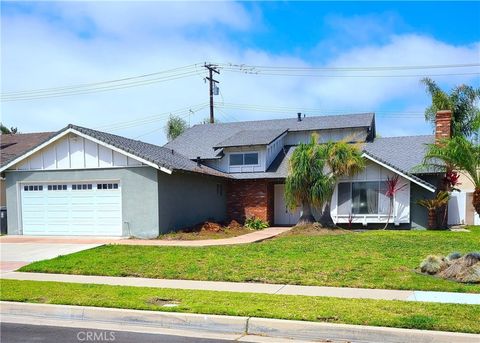




Spring Housing Market Update
If you’re planning to move soon, you might be wondering if there’ll be more homes to choose from, where prices and mortgage rates are headed, and how to navigate today’s market. If so, here’s what the professionals are saying about what’s in store for this season.
Odeta Kushi, Deputy Chief Economist, First American:
Lisa Sturtevant, Chief Economist, Bright MLS:
Danielle Hale, Chief Economist, Realtor.com:
Skylar Olsen, Chief Economist, Zillow:
Jiayi Xu, Economist, Realtor.com:
If you’re looking to sell, this spring might be your sweet spot because there just aren’t many homes on the market. Sure, inventory is rising, but it’s nowhere near enough to meet today’s buyer demand. That’s why they’re still selling so quickly.
If you’re looking to buy, the growing number of homes for sale this spring means you’ll have more choices than this time last year. But be prepared to move quickly since there’ll be plenty of competition with other buyers.
Bottom Line
No matter what you’re planning, team up with Stovall Team to confidently navigate the busy spring housing market.